
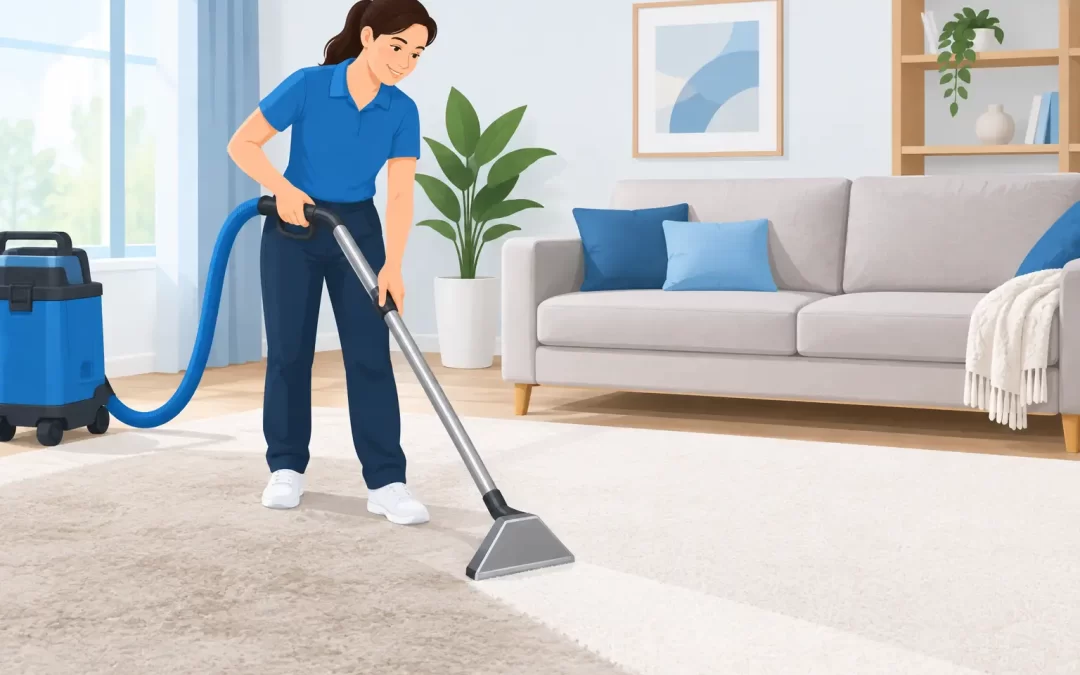
A carpet can look clean from the doorway and still hold the evidence of daily use in its fibers. Walkways become dull, entrances collect grit, and a single spill can leave a mark that changes the appearance of an entire room. Strong carpet cleaning results are about more than a fresh scent or a temporary improvement. They should leave carpets visibly cleaner, more hygienic, properly dried, and better protected against premature wear.
For offices, rental properties, shared spaces, and homes, the right cleaning approach protects a significant investment. The challenge is knowing what a professional result should look like, what can realistically be removed, and when routine maintenance needs to become a deeper restoration service.
What Good Carpet Cleaning Results Should Include
The clearest sign of a successful clean is an even appearance across the carpet, particularly in high-traffic areas. Soil buildup can make a carpet look gray or flattened even when there are no obvious stains. A professional process lifts embedded dirt from the pile, helping restore a more consistent color and texture.
Good results also mean that stains have been assessed rather than simply treated with a one-size-fits-all product. Coffee, ink, food oils, makeup, pet accidents, and tracked-in dirt all behave differently. The cleaning method, solution, dwell time, and agitation must suit both the stain and the carpet construction. Using the wrong chemical may set a stain, strip color, or leave a sticky residue that attracts fresh soil.
Drying matters just as much as appearance. Carpets that stay damp for too long can develop odors and become an inconvenience in busy workplaces or occupied homes. Proper extraction, suitable air movement, and realistic drying advice are part of a professional service. Depending on fiber type, ventilation, humidity, and the level of soiling, drying may take several hours. A provider should set clear expectations rather than promise an instant dry carpet in every situation.
Why Some Carpets Need More Than Spot Cleaning
Spot cleaning has a place, especially when a spill is dealt with quickly. Blotting a fresh spill with a clean absorbent cloth can reduce the chance of a permanent mark. However, repeated spot treatment often creates a different problem: clean circles surrounded by dull, untreated carpet.
Carpets act as filters. They catch dust, outdoor grit, skin particles, food debris, and other material carried in on shoes or moved through the air. In commercial premises, entryways, corridors, meeting rooms, and workstations receive concentrated foot traffic every day. In homes, living rooms, stairs, and hallways usually show the same pattern.
As soil settles deeper into the pile, it can become abrasive. Each footstep then grinds fine particles against the fibers, contributing to flattening and wear. Regular professional cleaning removes this hidden buildup before it has the chance to shorten the usable life of the carpet. It is a maintenance decision, not simply a cosmetic one.
Traffic Lanes Are Often the Real Test
Traffic lanes are the areas where cleaning quality is easiest to judge. These sections may be darker because oils and fine soils have bonded to the fibers over time. They may also look compressed because the carpet pile has been repeatedly walked on.
A thorough process typically includes pre-vacuuming, targeted pre-treatment, mechanical agitation where appropriate, hot water extraction or another suitable cleaning method, and careful extraction. Not every carpet should be cleaned in exactly the same way. Delicate fibers, low-moisture requirements, adhesive-backed tiles, and carpets in constant use can all require a different plan.
The goal is meaningful improvement without creating avoidable disruption. For a busy office, that may mean scheduling work outside operating hours, cleaning in sections, and allowing access once the carpet is safe to walk on. For a residence, it may mean giving clear guidance on moving furniture, ventilation, and keeping pets and children off damp areas.
What Can Affect the Final Result
Professional cleaning can make a major difference, but it cannot reverse every type of damage. Honest advice is valuable because it helps property owners make practical decisions about cleaning, repair, or replacement.
Some marks are permanent stains rather than removable soil. Bleach, certain dyes, hair products, paint, rust, and old ink spills can alter the carpet’s original color. In these cases, cleaning may improve the surrounding area and reduce the visual impact, but it may not make the damage disappear completely.
Wear is another consideration. If the pile has been physically crushed or the fibers have frayed, extraction will remove soil but cannot rebuild the carpet. Professional grooming can improve the appearance of flattened fibers, yet heavily worn areas may remain lighter, darker, or less textured than the rest of the floor.
Timing also changes the outcome. A fresh spill that receives prompt attention is usually easier to treat than one that has been rubbed in, dried, and exposed to heat. Previous cleaning attempts matter too. Store-bought products can leave residues, and excessive water can push a stain deeper into the backing. A cleaning technician needs to know what has already been used so treatment can be adjusted safely.
Choosing the Right Cleaning Method
There is no single method that suits every carpet or every premises. Hot water extraction is widely used for deep cleaning because it flushes soil and cleaning solution from the fibers with controlled moisture and powerful extraction. It can produce excellent results on heavily used carpets when carried out correctly.
Low-moisture cleaning can be a sensible option where rapid drying is a priority, such as offices that need carpets ready for use quickly. Encapsulation methods can help lift and crystallize soil for later vacuum removal, while bonnet cleaning may improve the surface appearance of certain commercial carpets. The trade-off is that these methods may not provide the same level of deep flushing as a well-executed extraction clean.
The best choice depends on the carpet manufacturer’s guidance, fiber type, level of soil, known stains, access to water, drying conditions, and the time available. A reliable contractor does not sell a method first and ask questions later. They inspect the carpet, identify the risks, and recommend the process that offers the best balance of cleaning performance, drying time, and value.
How to Keep Results Looking Better for Longer
A deep clean works best when supported by day-to-day care. Entry mats are particularly effective because they reduce the grit and moisture reaching carpeted areas. Mats need regular cleaning themselves, or they eventually stop doing their job.
Routine vacuuming is equally important. In high-traffic commercial areas, vacuuming may be needed daily, with additional attention to entrances, corridors, and communal spaces. Homes with children, pets, or frequent visitors also benefit from a consistent vacuuming routine. Slow, overlapping passes are more effective than a quick pass over the surface.
For spills, act early. Blot rather than scrub, work from the outside toward the center, and avoid saturating the carpet. Do not mix household chemicals or use a product without checking that it is suitable for the fiber. When in doubt, arrange professional advice before a small accident becomes a long-term mark.
A planned maintenance schedule is often more cost-effective than waiting until carpets look beyond recovery. The right frequency varies. A lightly used private room may need professional cleaning less often than a reception area or busy office corridor. Facilities managers should base the schedule on traffic, appearance standards, indoor air quality needs, and the carpet manufacturer’s maintenance recommendations.
A Professional Standard Protects More Than Appearance
Carpet cleaning affects how a building feels to the people using it. Clients notice stained entrance carpets. Employees notice unpleasant odors and dusty work areas. Tenants and homeowners appreciate a cleaner, more cared-for space. These details influence confidence in a property, even when no one says so directly.
A professional provider should arrive with suitable equipment, trained staff, safe working practices, and a clear understanding of the property’s needs. They should also be prepared to explain realistic outcomes before work begins. Aaroma brings more than 25 years of cleaning experience to this kind of practical assessment, helping customers protect carpets while minimizing disruption to normal operations.
The best time to address carpet condition is before heavy soil becomes permanent-looking wear. A planned clean, carried out with the right method and honest expectations, keeps floors presentable and gives the carpet a better chance of lasting as intended.