
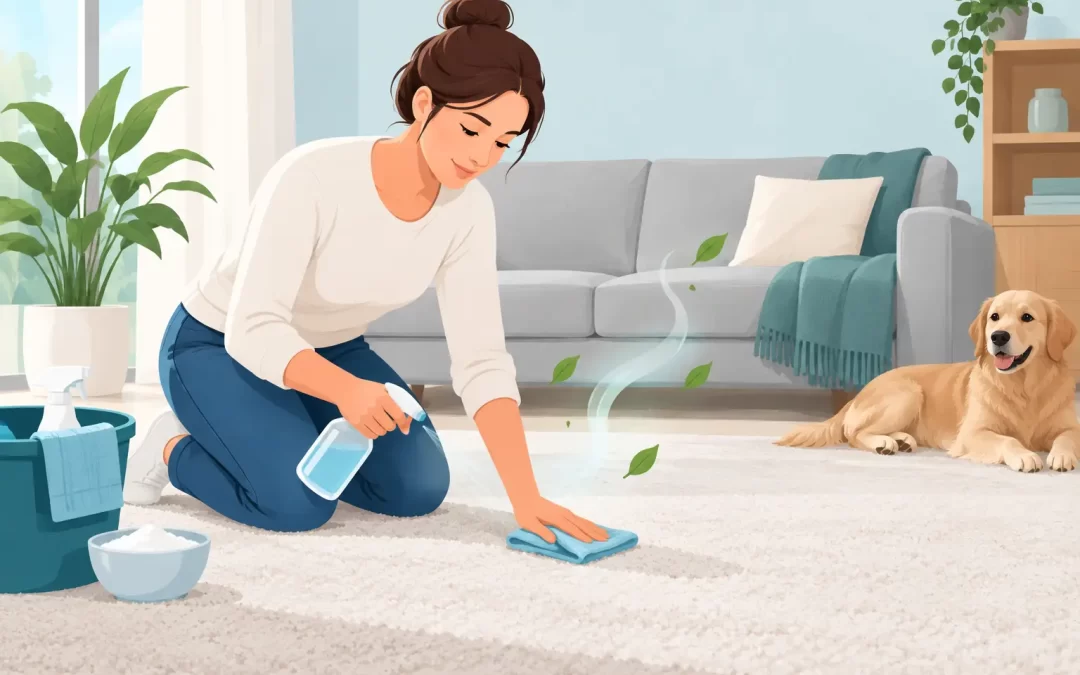
A carpet can look clean and still hold an unpleasant smell. Coffee spills, pet accidents, wet shoes, food, smoke, and slow-drying cleaning can all leave odors behind in the fibers, backing, or subfloor. Knowing how to remove carpet odours starts with finding the source rather than covering it with fragrance.
For homes, the issue is often limited to one room or a well-used area. In offices, rental properties, common areas, and retail spaces, recurring odors can affect comfort, presentation, and hygiene standards. The right approach depends on what caused the smell, how long it has been there, and whether moisture has reached below the carpet surface.
Start by Identifying the Source of the Odor
A fresh spill is usually easier to treat than an odor that has built up over months. Before applying any cleaner, inspect the carpet closely. Smell the carpet at floor level and check for staining, damp patches, discoloration, or areas that feel stiff or sticky.
Pet odors are commonly strongest around edges of rooms, doorways, and favorite resting spots. Food and drink odors may be concentrated near seating or desks. A musty smell often points to moisture, poor airflow, a previous leak, or carpet that was cleaned but not dried thoroughly. Smoke odors can be more widespread because particles settle across the room.
If the carpet smells worse in humid weather or after the heating or air conditioning system runs, the problem may not be the carpet alone. Check nearby upholstery, baseboards, vents, floor mats, and any signs of water damage. Treating only the top of the carpet will not solve an odor caused by a damp backing or subfloor.
How to Remove Carpet Odours From Everyday Spills
For recent spills, act quickly. Blot the area with a clean white cloth or absorbent paper towels. Press firmly to lift liquid from the fibers, but do not scrub. Scrubbing can spread the spill, damage the pile, and force residue deeper into the carpet.
Once most of the moisture is removed, use a carpet-safe cleaning solution suitable for the type of spill. Follow the product directions carefully and avoid soaking the area. Too much water is a common reason a small spill turns into a lingering musty smell.
After cleaning, blot again with a dry towel and encourage airflow. Open windows where practical, run fans, or use a dehumidifier in damp conditions. The carpet should be fully dry before furniture is returned to the area.
For light, general odors without a visible stain, baking soda can be useful. Sprinkle a light, even layer over dry carpet, leave it for several hours or overnight, then vacuum thoroughly. Baking soda helps absorb surface odors, but it is not a substitute for removing urine, grease, mold, or spilled food from the carpet backing.
Treat Pet Odors at Their Source
Pet urine is one of the most persistent carpet odor problems because it can travel beyond the visible spot. As urine dries, odor-causing residue remains in the fibers and may seep into the underlay and subfloor. Standard carpet shampoo or scented sprays may make the room smell better briefly, but they often fail to break down the source.
Use an enzyme-based pet odor treatment designed for carpets. These products work by breaking down organic residue rather than masking it. Apply only as directed, and make sure the solution reaches the depth of the affected area without over-wetting the carpet.
Old pet stains can be difficult to locate, particularly on patterned or dark carpet. A UV inspection light may help identify affected areas. If the odor returns after treatment, or if several areas are involved, professional extraction cleaning may be required. In severe cases, the carpet pad or subfloor may also need treatment or replacement.
Avoid using ammonia-based cleaners on pet urine. Their smell can resemble urine and may encourage repeat marking. Also avoid combining cleaning products, especially bleach, ammonia, or acidic solutions. Mixing chemicals can produce harmful fumes and damage carpet fibers.
Remove Musty Carpet Smells by Controlling Moisture
A damp, musty odor deserves prompt attention. It can result from a leak, flooding, wet weather, poor ventilation, or overuse of water during carpet cleaning. The longer the carpet remains damp, the greater the risk of mold and mildew growth.
First, stop the moisture source. Check for leaking pipes, overflowing appliances, wet exterior walls, window leaks, or water entering from a doorway. Lift a corner of the carpet only if it can be done safely and without causing damage, then check whether the backing or pad is wet.
Dry the area quickly with air movement and dehumidification. Fans should circulate air across the carpet surface, while a dehumidifier helps remove moisture from the room. Do not rely on a scented product to deal with a damp smell. Fragrance may hide the issue for a short time while moisture remains trapped beneath the carpet.
If the carpet has been wet for more than 24 to 48 hours, has visible mold growth, or smells strongly musty after drying, arrange professional assessment. This is particularly important in workplaces, rental properties, childcare settings, and any space where health and safety procedures require documented action.
Dealing With Smoke, Food, and General Traffic Odors
Smoke odors often settle into carpet fibers along with curtains, furniture, walls, and HVAC components. Carpet cleaning can make a major difference, but the smell may return if the rest of the room has not been cleaned. Vacuum thoroughly using a machine with effective filtration, clean hard surfaces, wash washable fabrics, and address the source of smoke exposure.
Food odors are usually caused by residue left behind after a spill. Clean the affected section with a suitable carpet cleaner, taking care not to over-saturate it. Greasy food spills may need a product formulated to lift oils before the carpet is rinsed and dried.
For busy office entrances, hallways, and shared spaces, odors can develop gradually from foot traffic, moisture, and soil carried in from outside. Regular vacuuming removes dry debris, but periodic professional deep cleaning is needed to extract embedded soil and residue. Entry mats should also be cleaned and replaced when worn, as they are often the first point where odor-causing dirt accumulates.
Avoid These Common Carpet Odor Mistakes
The quickest-looking fix is not always the most effective one. Heavy perfume sprays may create a stronger, mixed odor rather than a clean result. They can also be unsuitable in workplaces or homes where people are sensitive to fragrance.
Over-wetting is another frequent problem. Renting or using a carpet machine without enough extraction power can leave water and detergent behind. This attracts more soil and can create a sour or musty smell as the carpet dries.
Steam cleaning has its place, but it is not appropriate for every carpet type or every odor. Excess heat and moisture can affect some natural-fiber carpets, adhesives, and delicate backings. Always check the manufacturer’s care guidance and test cleaning products in an inconspicuous area first.
When Professional Carpet Cleaning Is the Better Option
Professional cleaning is worth considering when odors return after home treatment, cover a large area, or are linked to pets, smoke, water damage, or heavy traffic. A trained cleaning team can identify whether the issue is in the carpet pile, backing, underlay, or subfloor and select a treatment method that matches the material and contamination.
For commercial premises, planned carpet maintenance also protects appearance between major cleans. Regular service can help reduce stains, odors, and wear in reception areas, meeting rooms, corridors, and tenant spaces while minimizing disruption to daily operations.
Aaroma provides professional carpet cleaning with the practical standards, experienced staff, and dependable customer care that property managers, businesses, and homeowners expect. The goal is not to leave behind a stronger scent, but to remove the soil and residue responsible for the odor.
A clean-smelling carpet should feel like part of a well-maintained space, not something visitors notice when they walk in. Address spills quickly, keep moisture under control, and bring in specialist help when the odor points to a deeper problem.