
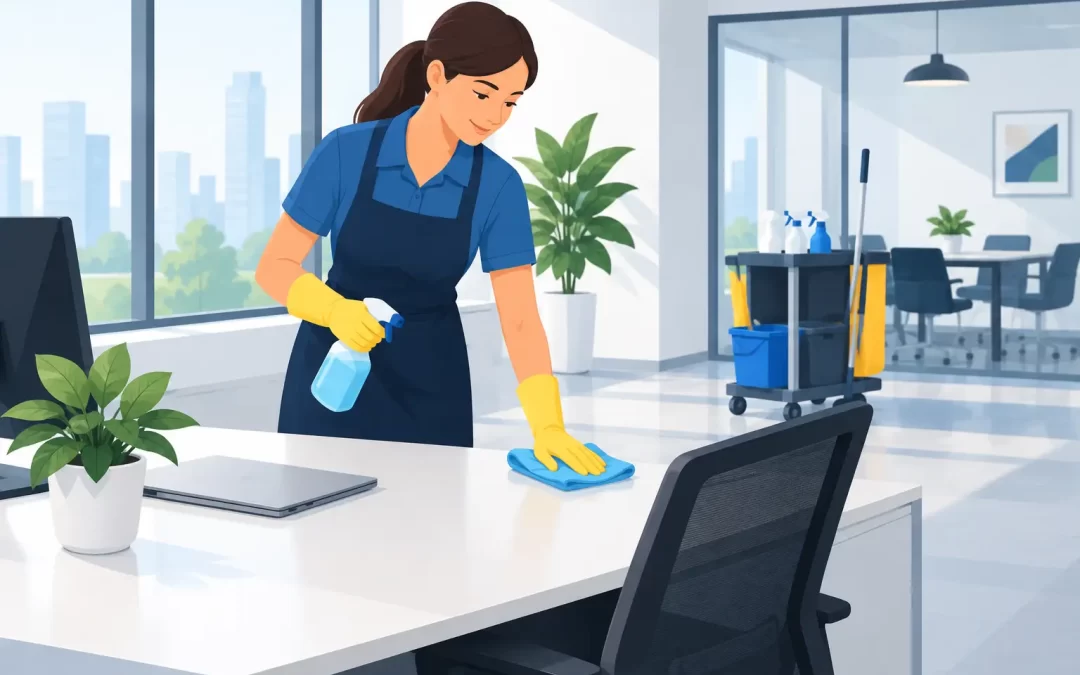
A reception floor can look clean at 8:00 a.m. and still give the wrong impression by lunchtime. Fingerprints build up on glass, restrooms run short of supplies, and high-touch surfaces become a hygiene concern long before the next scheduled visit. Strong office cleaning results are not measured only by whether trash has been removed. They show in how reliably the workplace stays clean, safe, stocked, and ready for employees, visitors, and clients throughout the day.
For business owners and facilities managers, the goal is not simply to hire a cleaning contractor. It is to put in place a service standard that protects the property, supports employee wellbeing, and removes unnecessary day-to-day hassle.
What Good Office Cleaning Results Actually Look Like
The clearest results are visible, but the best cleaning work also covers details people may only notice when they are missed. A well-maintained office has clean entrance areas, orderly workspaces, fresh-smelling restrooms, and floors that are free from visible dirt, streaks, and trip hazards. Kitchen and break areas should be hygienic, with waste managed properly and touchpoints cleaned regularly.
Consistency matters as much as appearance. One excellent deep clean cannot make up for several rushed visits. Staff and visitors quickly recognize when cleaning standards vary from one day to the next. Reliable service follows an agreed schedule, uses suitable products and equipment, and addresses issues before they become complaints.
Good results also have a practical business value. Clean floors last longer when they receive the right care. Restrooms run more smoothly when dispensers are checked and replenished. Regular cleaning of keyboards, phones, door handles, and shared equipment can support a healthier work environment, particularly in busy offices with hot desks or customer-facing teams.
Set Standards Before Work Begins
Vague instructions produce vague outcomes. A request to “clean the office” leaves too much open to interpretation, especially in a multi-floor building or a workplace with varied traffic levels. A clear cleaning specification gives both the client and cleaning team a shared definition of what acceptable work looks like.
Start by identifying the areas that require daily attention. This often includes entrances, reception desks, restrooms, kitchens, meeting rooms, waste stations, and high-traffic walkways. Then set separate frequencies for lower-use spaces such as storage areas, private offices, internal glass, blinds, and upholstery.
The standard should describe the work rather than relying only on broad labels. For example, restroom cleaning may include disinfecting toilets and sinks, polishing mirrors, mopping floors, emptying waste, replenishing soap and paper products, and reporting leaks or damaged fixtures. This level of detail helps prevent assumptions and makes quality checks fair.
Match Frequency to Foot Traffic
Not every office needs the same schedule. A small professional office with a limited number of staff may need daily touchpoint and restroom care, with broader cleaning completed several times each week. A busy call center, medical-adjacent workplace, shared office building, or site that receives visitors throughout the day may need daily full cleaning and daytime porter support.
Traffic is only one factor. Consider the type of work taking place, the number of shared spaces, seasonal conditions, and whether employees eat at their desks. Wet weather can quickly affect entrance flooring, while a frequently used kitchen may need more attention than the rest of the office combined.
Focus on the Areas That Shape Perception
Some parts of an office have a greater effect on employee confidence and visitor perception. Cleaning resources should reflect that reality rather than being spread evenly across every room.
Reception areas, lobby floors, glass doors, elevators, and meeting rooms are often the first spaces clients see. A marked glass panel, dusty ledge, or stained carpet can undermine an otherwise professional environment. These areas benefit from regular spot cleaning between scheduled services, particularly when meetings or events are planned.
Restrooms and kitchens require a different level of attention because hygiene and supply levels matter as much as visual presentation. A clean restroom with an empty soap dispenser is not delivering the required standard. The same applies to a kitchen where counters are wiped but food waste has been left behind or bins are overflowing.
Workstations should be handled with care. Dusting surfaces is straightforward, but keyboards, monitors, phones, and other technology require suitable cleaning methods and products. Staff should know what is included in the service and how personal items or sensitive equipment are treated. This protects both the equipment and the working relationship.
Use the Right Method for Each Surface
Cleaning quality depends on method, not just effort. A product that works well on restroom fixtures may not be appropriate for natural stone, finished wood, carpet, or specialty flooring. Incorrect chemicals, excess water, or abrasive pads can cause avoidable damage and costly replacement work.
Floor care is a common example. Daily vacuuming and mopping keep surfaces presentable, but periodic machine cleaning, buffing, stripping, sealing, or carpet extraction may be needed to preserve the finish. The correct plan depends on the floor material, foot traffic, and how much soil is tracked in from outside.
Disinfection also needs to be applied correctly. Cleaning removes visible soil, while disinfecting is intended to reduce germs on suitable surfaces. If a surface is heavily soiled, it should generally be cleaned before a disinfectant is applied. Contact time matters as well. Wiping a product away immediately may not deliver the intended hygiene result.
A professional cleaning provider should use trained staff, appropriate personal protective equipment, and products that are suitable for the task. Safety data, secure chemical storage, warning signs for wet floors, and clear procedures are not administrative extras. They are part of dependable service.
Make Quality Checks Part of the Routine
The fastest way to lose cleaning standards is to inspect only after a complaint. Regular checks identify small problems early, whether that is a missed corner, depleted washroom stock, recurring odor, or a floor that needs specialist attention rather than another basic mop.
A simple inspection process works best when it is consistent. A supervisor or facilities contact can review key areas against the agreed specification, record concerns, and confirm that corrective action has been completed. Feedback should be specific. “The office was not cleaned properly” is difficult to act on. “The conference room glass was streaked and the recycling bin was not emptied” gives the team a clear solution.
It is also useful to track repeat issues. If the same restroom runs out of paper towels each week, the problem may be the restocking level or delivery frequency rather than the cleaner’s performance. If a carpet stain keeps returning, the source may be a leaking appliance or a process issue in the break room.
Keep Communication Practical and Fast
Cleaning works best when the contractor understands how the office operates. Changes in occupancy, evening events, construction work, staff illnesses, or visits from key clients can all affect cleaning priorities. A reliable provider should make it easy to report an issue and receive a timely response.
The right level of communication depends on the site. A small office may only need a direct contact and periodic review. A larger facility may benefit from service logs, scheduled management meetings, supply reporting, and escalation procedures for urgent issues. Neither approach is automatically better. The important point is that responsibilities are clear.
Aaroma supports businesses with contract cleaning, specialist cleaning, and ongoing hygiene supply needs, helping facilities teams avoid managing multiple providers for routine and specialist requirements. This can be particularly useful where washroom supplies, floor maintenance products, personal protective equipment, and cleaning services all need to be coordinated.
Review the Plan as the Workplace Changes
An office cleaning plan should not remain fixed simply because it was agreed years ago. Headcount changes, hybrid schedules, new flooring, expanded premises, and changing hygiene expectations can all alter what the building needs. A service that was right for a quiet office may no longer be adequate after occupancy increases or a shared workspace is introduced.
Review service performance at regular intervals and after any major workplace change. Look at complaints, supply use, condition of floors and carpets, staff feedback, and whether the schedule still matches actual traffic. Increasing cleaning frequency is sometimes the answer, but not always. Better task allocation, improved products, or targeted specialist work may deliver stronger value.
The most dependable office cleaning results come from clear expectations, capable people, suitable methods, and regular follow-through. When those elements are in place, cleaning becomes one less operational concern and a visible sign that the workplace is being properly looked after.