
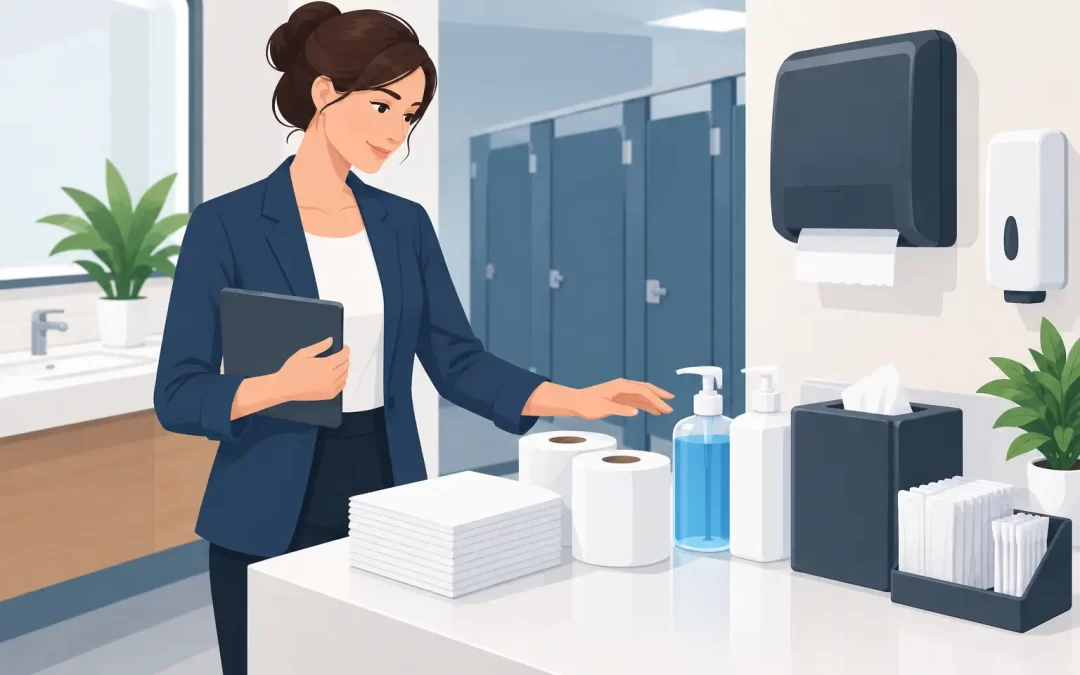
A washroom running out of soap or toilet tissue is noticed immediately. So is an empty paper towel dispenser, an overflowing sanitary bin, or a floor left wet after a busy period. The right washroom supplies do more than fill a storage closet. They support hygiene standards, protect the appearance of the facility, and help employees, visitors, and customers feel that the building is properly managed.
For facilities managers and purchasing teams, the goal is not simply to buy the lowest-priced products. It is to build a dependable supply setup that matches foot traffic, reduces waste, supports cleaning staff, and avoids last-minute shortages.
Start With How the Washroom Is Used
A small office washroom used by ten employees has very different requirements from restrooms in a restaurant, medical practice, school, warehouse, or public-facing reception area. Before choosing products, look at the number of users, the busiest times of day, the number of stalls and sinks, and whether the washroom is open to the public.
Foot traffic affects product format as much as quantity. High-use locations often benefit from high-capacity jumbo toilet rolls, center-pull towels, and large soap cartridges because they reduce the number of refill visits required each day. In a lower-traffic executive office or residential common area, a compact dispenser and a more premium hand soap may be a better fit.
It also pays to consider the people maintaining the space. A product that looks economical on paper may create extra labor if it needs frequent replacement, is difficult to load, or causes avoidable mess. The best choice is the one that delivers a clean, consistent user experience while making daily servicing straightforward.
Core Washroom Supplies for Commercial Facilities
Most professionally maintained washrooms need a reliable range of consumables and supporting products. The exact mix will vary, but the following categories cover the essentials for most commercial sites:
- Toilet tissue, including standard, jumbo, and bulk-pack options
- Hand towels, center-pull rolls, folded towels, and compatible dispensers
- Hand soap, sanitizer, and cartridge or refill systems
- Air fresheners, urinal screens, and odor-control products
- Sanitary bins, waste liners, and feminine hygiene disposal supplies
- Washroom cleaners, disinfectants, descalers, gloves, and warning signs
These products should be selected as a working system, not as isolated items. For example, choosing a folded hand towel means selecting a dispenser that protects the stock from moisture, releases one towel at a time, and is easy for cleaning staff to refill. Similarly, a soap refill must fit the installed dispenser. Standardizing products across a multi-site portfolio can simplify ordering, staff training, stock control, and replacement planning.
Paper Products: Balance Comfort, Capacity, and Waste
Toilet tissue and hand towels account for a significant share of washroom consumption. Price matters, but sheet size, roll length, ply, and dispensing control matter too. A cheaper roll that is used twice as quickly is not necessarily the lower-cost option.
For busy washrooms, controlled-dispense systems can reduce overuse and keep washrooms tidier. Single-sheet folded towels help limit unnecessary handling and may be preferable where hygiene perception is particularly important. High-capacity roll systems reduce maintenance visits, which is useful in large offices, transport environments, retail sites, and schools.
There is a trade-off. Larger dispensers need wall space and may not suit compact washrooms. Before committing to a format, check the available space, mounting surface, and refill access. A dispenser should not obstruct circulation or make it difficult to clean behind and around it.
Soap and Sanitizer: Make Hand Hygiene Easy
Hand soap should be available at every active sink, with dispensers kept clean, full, and functional. Foam soap is often a practical commercial choice because it can provide good coverage with less product per use. Liquid soap may be preferred where a richer feel is expected or where existing dispensers are designed for it.
Fragrance is another practical decision. Mild or fragrance-free products generally suit mixed-use commercial environments, especially where visitors may have sensitivities. Strongly scented soap can create complaints even when the product performs well.
Hand sanitizer can be useful at washroom exits, reception areas, and shared spaces, but it should support rather than replace proper handwashing. Clear placement matters. If dispensers are hidden, empty, or difficult to operate, users will not rely on them.
Dispensers Are Part of the Supply Decision
A washroom can have quality consumables and still appear poorly managed if the dispensers are damaged, mismatched, or constantly empty. Durable dispensers protect products from contamination, control usage, and give the room a more organized appearance.
Choose dispensers that are suitable for the setting and easy for staff to maintain. Lockable units can help in public washrooms or high-traffic areas where misuse is more likely. Transparent viewing panels make it easier to check stock levels quickly. Touch-free soap and towel dispensers can improve hygiene perception, although they require batteries, sensors, or more specialized maintenance depending on the model.
Where possible, keep dispenser types consistent throughout the building. A cleaner should not need to carry multiple keys, refill types, or installation instructions from one floor to the next. Consistency helps prevent refill errors and makes emergency stock substitutions less likely.
Cleaning Chemicals Must Match the Surface and Task
Washroom cleaning is not a one-product job. Toilets, urinals, sinks, mirrors, floors, partitions, and touchpoints all need appropriate treatment. A general-purpose cleaner may be suitable for routine surfaces, while toilet cleaner, descaler, disinfectant, glass cleaner, and floor cleaner each serve different functions.
Descaling deserves particular attention in areas with hard water. Mineral buildup around taps, toilet bowls, and urinals can make a washroom look neglected even when it is cleaned regularly. Using the correct descaler at planned intervals helps protect fittings and preserve a professional appearance.
Always follow label directions, dilution guidance, and safety procedures. More chemical does not automatically produce a better result. Overuse can leave residue, damage surfaces, increase costs, and create unnecessary risks for cleaning teams. Color-coded cloths and cleaning tools can also help prevent cross-contamination between toilet areas, sinks, and general surfaces.
Control Costs Without Letting Standards Slip
Stockouts, emergency purchases, and excessive product use are common sources of unnecessary spend. A simple usage review can make a meaningful difference. Track how many cases of tissue, towels, soap, liners, and cleaning chemicals are used each month, then compare that figure with occupancy, opening hours, and seasonal demand.
A facility that hosts events, receives customer traffic, or has changing staff numbers should not rely only on a fixed monthly order. Keep a sensible buffer for core items, especially toilet tissue, hand towels, soap, liners, and cleaning chemicals. At the same time, avoid over-ordering products with limited storage life or bulky packaging that creates clutter in janitorial closets.
Procurement teams should consider the full operating cost: unit price, delivery reliability, dispenser compatibility, refill frequency, cleaner labor, storage requirements, and waste. A dependable supplier that can provide both everyday consumables and specialist cleaning products can reduce the time spent chasing separate orders.
Keep the Washroom Ready Between Scheduled Cleans
Even an excellent scheduled cleaning program needs day-to-day checks. Busy washrooms can change quickly during lunch periods, shift changes, meetings, or public events. A brief service check can catch empty dispensers, full bins, wet floors, and odor issues before they become complaints.
Set clear standards for what “ready” looks like: stocked paper products, filled soap dispensers, clean fixtures, dry floors, empty bins, and no obvious odors. Cleaning teams should have easy access to replacement stock, gloves, liners, warning signs, and the correct chemicals. If supplies are stored too far from the washroom, routine servicing takes longer and standards can slip during busy periods.
The most effective washroom supply plan is the one your team can maintain every day. Choose products that fit the building, monitor what is actually being used, and keep essential stock close at hand. That practical discipline helps every washroom stay clean, safe, and ready for the next person who walks through the door.