
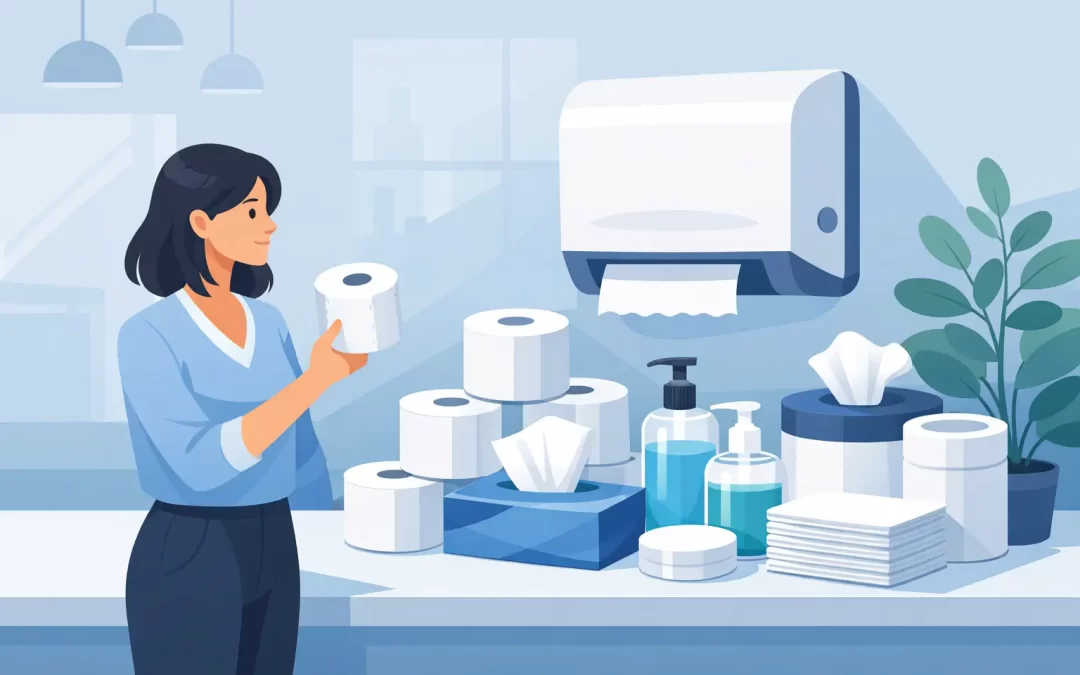
A washroom can be cleaned to a high standard and still leave the wrong impression if the soap dispenser is empty, toilet paper runs out at midday, or the hand dryer is not supported by paper towels. The best washroom consumables for offices are the products that keep hygiene dependable, reduce avoidable complaints, and make restocking easier for the team responsible for the building.
For facilities managers and procurement teams, the goal is not simply to buy the lowest-priced case. The right choice balances product quality, dispenser compatibility, consumption rates, storage space, and the expectations of staff, visitors, and clients. A well-stocked office washroom supports workplace standards every day without creating unnecessary waste or administration.
Start With How the Washroom Is Used
There is no single consumables list that suits every office. A small professional practice with a handful of employees has very different needs from a multi-floor workplace with customer-facing reception areas, shift workers, or frequent external visitors.
Start by looking at daily footfall, the number of washrooms, peak use times, and whether the facilities are open to the public. High-traffic washrooms need higher-capacity dispensers and products that can be replaced quickly. Lower-traffic washrooms may benefit from more compact systems that prevent partly used stock from being left in cupboards for months.
Image also matters. In a client-facing office, thin paper, empty dispensers, or harsh-smelling products can undermine an otherwise professional environment. In staff-only areas, durability and reliable availability may matter more than presentation. Both approaches are valid, but they should be planned rather than left to ad hoc ordering.
The Core Office Washroom Consumables
Every office washroom should have a dependable supply of toilet tissue, hand soap, hand-drying products, sanitary waste products where required, and cleaning materials for washroom attendants or cleaning teams. The detail within each category is where cost and performance can vary considerably.
Toilet Tissue That Performs Consistently
Toilet tissue is one of the most visible basics. Standard domestic-style rolls may look familiar, but they are often a poor fit for busy commercial washrooms because they need changing frequently and can be easily removed or wasted.
Jumbo rolls, mini-jumbo rolls, and controlled-dispensing systems generally make more sense in offices with moderate to high traffic. They reduce service interruptions and make it easier to monitor stock. The trade-off is that they require matching dispensers and may not suit every cubicle layout.
Quality should be judged by strength, softness, roll length, and how reliably the tissue breaks down after use. Extremely low-cost tissue can increase consumption because users take more sheets, while very premium tissue may add cost without delivering a practical benefit in a staff washroom. A mid-to-high quality commercial roll is often the sensible choice.
Hand Soap for Hygiene and User Comfort
Hand soap should be easy to use, pleasant without being overpowering, and suitable for frequent handwashing. Foam soap is widely used in offices because it provides a controlled dose, feels comfortable on hands, and can be economical per wash. Liquid soap may be preferred where existing dispensers are already in place or where a richer formulation is required.
Choose a mild, professional formulation that cleans effectively without leaving hands dry or heavily fragranced. Fragrance-free or lightly scented options can be a better fit for workplaces with employees or visitors who are sensitive to perfumes.
Refill systems matter as much as the soap itself. Sealed cartridges can help reduce contamination and simplify refills. Bulk-fill dispensers can lower product costs, but they require careful cleaning and consistent maintenance. The best option depends on who services the washroom and how often.
Paper Towels, Hand Dryers, or Both
Paper towels remain a practical hand-drying option, especially in busy washrooms, food-related workplaces, and offices where users expect a quick, hygienic solution. Interfold, multifold, and center-pull towels each have their place. Interfold and multifold towels offer controlled dispensing and tend to work well in office settings.
Hand dryers reduce the need to store and restock paper towels, but they need to be reliable, positioned correctly, and maintained. They may also cause delays during busy periods. Some facilities use dryers as the main option with paper towels available as a backup. This can be particularly useful for cleaning spills, touching up personal appearance, or supporting users who prefer paper.
When choosing towels, consider absorbency rather than sheet count alone. A highly absorbent towel can reduce the number of sheets used per hand dry, which often improves value for money and keeps bins from filling too quickly.
Sanitary Disposal Products
Sanitary bins should be available in appropriate washrooms and serviced on a regular schedule. This is a hygiene, dignity, and compliance issue, not an optional extra. Bins should be discreet, easy to use, and placed where they are accessible without obstructing the cubicle.
The consumables supporting this service may include bin liners, deodorizing products, disposal bags, and surface disinfectants. Service frequency should reflect actual use. An office with regular visitors or a larger workforce may need more frequent checks than a small team operating on a hybrid schedule.
Choose Dispensers Before Ordering in Bulk
One of the most common purchasing mistakes is ordering refill stock without confirming dispenser type, capacity, and product compatibility. A mixed collection of dispensers can lead to the wrong refills being delivered, products being stored but never used, and staff wasting time finding suitable replacements.
Standardizing dispenser systems across the site makes stock control much easier. It allows cleaning teams to carry fewer product lines and helps procurement teams forecast usage with greater accuracy. Wall-mounted, lockable dispensers are usually the best fit for commercial offices because they protect stock and support a cleaner appearance.
Before committing to a large order, check the dispenser dimensions, refill format, installation requirements, and lead time for replacements. It is also worth considering whether a particular system ties the business to proprietary refills. That may be worthwhile when the dispenser quality and usage control are strong, but it should be a deliberate decision.
Do Not Forget Cleaning and Odor-Control Supplies
Washroom consumables extend beyond what users see at the sink or in the cubicle. A cleaning team also needs the right products to maintain sanitary conditions throughout the day.
A practical office washroom supply program should include toilet cleaner, disinfectant suitable for hard surfaces, hand soap refills, cleaning cloths or disposable wipes, gloves, bin liners, and air-care products where appropriate. Products should be selected for the surfaces in the washroom, particularly where natural stone, sensitive finishes, or specialist fixtures are present.
Air fresheners can improve perception, but they should never be used to mask poor cleaning or plumbing issues. Strong fragrances can be disruptive in a workplace. Neutral, lightly fragranced, or programmed systems are usually more suitable than products that release a heavy scent all day.
Control Cost Through Usage, Not Just Unit Price
The cheapest consumable is not always the best value. Low-quality towels, tissue, and soap can drive higher usage, create more waste, and increase the number of times staff need to refill dispensers. That time has a cost, particularly in larger facilities.
Track how many cases of each product are used over a normal month, then compare usage after introducing a different dispenser or product grade. This gives a more accurate view than comparing case prices alone. Consumption can also highlight problems such as leaking soap dispensers, towel overuse, or washrooms that need more frequent checks.
Keep a sensible reserve stock, but avoid over-ordering. Bulky paper products take up valuable storage room and can be damaged if kept in damp or unsuitable areas. A planned delivery schedule from a dependable supplier is often more efficient than holding several months of stock on site.
A Simple Restocking Standard for Office Teams
For consistent results, assign clear responsibility for checking washrooms rather than relying on someone noticing a problem. The most effective routine covers four areas:
- Check toilet tissue, soap, towels, and sanitary bins before peak periods.
- Refill dispensers before they are empty, not after a complaint is received.
- Remove waste and clean touchpoints such as flush buttons, taps, handles, and dispenser fronts.
- Record recurring shortages or faults so purchasing and maintenance can address the cause.
This simple discipline protects standards and helps prevent the small issues that employees remember. It also allows a cleaning provider to work more efficiently because stock is organized and product requirements are known in advance.
Aaroma supports offices with professional cleaning expertise and practical hygiene supply solutions, helping facilities teams keep routine washroom standards under control without managing multiple suppliers.
The right consumables should make the washroom easier to maintain and more comfortable to use. Review actual usage, standardize where possible, and choose products that deliver dependable performance rather than just a low upfront price. When every dispenser works and every essential is available, the washroom quietly reinforces the standards of the whole workplace.