
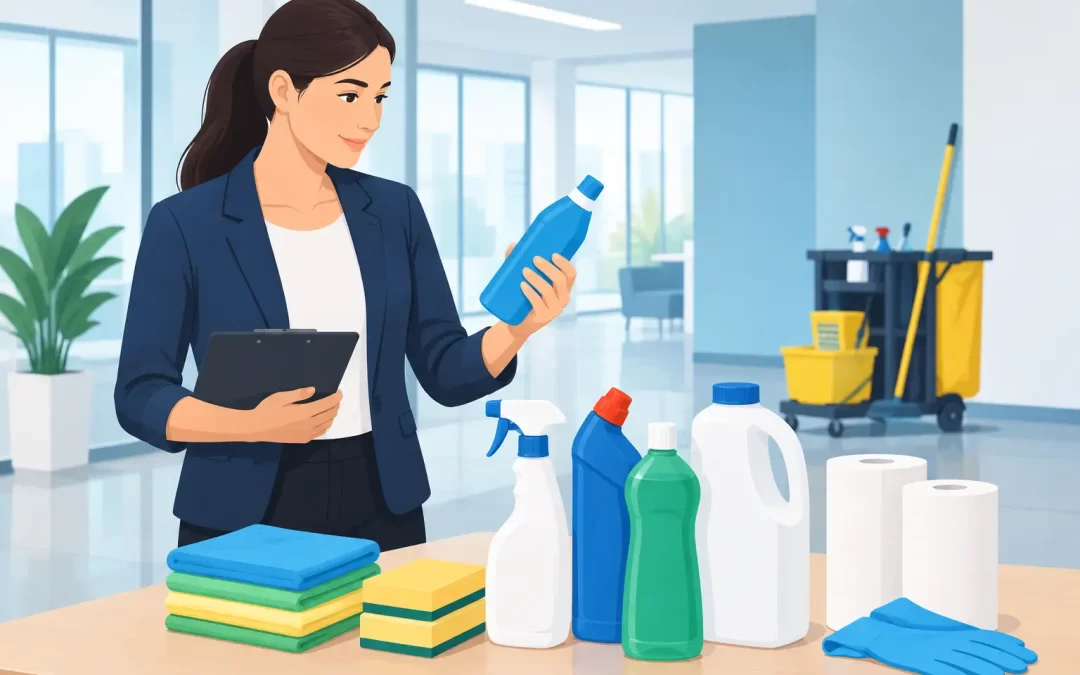
A supply closet full of products is not the same as a cleaning program. The wrong disinfectant may be ineffective on the surfaces your team needs to treat. Cheap paper towels may increase waste and refill time. A floor chemical that is not suited to the finish can leave costly damage behind. Knowing how to select janitorial supplies means matching each product to the building, the people using it, and the standard you need to maintain.
For office managers, property managers, and procurement teams, the goal is simple: reliable cleaning results without unnecessary cost, safety risks, or stock shortages. The best choices are rarely based on unit price alone.
How to Select Janitorial Supplies by Area and Task
Start with a walkthrough of the facility. A product that works well in a low-traffic office restroom may not be appropriate for a busy school, medical waiting room, food preparation area, or warehouse entrance. List the spaces you maintain, how they are used, and the cleaning tasks required each day, week, and month.
Most facilities need separate product groups for restrooms, general surfaces, floors, kitchens or break rooms, waste handling, and hand hygiene. Specialist needs may include carpet spot removal, glass cleaning, machine dishwashing, exterior maintenance, or odor control. This task-first approach prevents a common purchasing mistake: buying one all-purpose product and expecting it to solve every cleaning issue.
Match the chemical to the soil
Cleaning chemicals are designed to deal with different types of dirt. Neutral cleaners are often suitable for routine cleaning of washable surfaces and many finished floors. Degreasers are intended for oily soils in kitchens, workshops, and break rooms. Acid-based products can remove mineral scale in restrooms but may damage sensitive surfaces if used incorrectly.
Disinfectants require particular care. First clean visible soil from the surface, then use a disinfectant approved for the organisms or hygiene requirement relevant to your setting. Follow the stated dilution, contact time, and surface compatibility instructions. Spraying a product and wiping it away immediately may not provide the level of disinfection expected.
Avoid selecting chemicals based on fragrance or marketing language alone. A pleasant scent can support the perception of cleanliness, but it does not replace effective soil removal or proper disinfection.
Consider the surfaces you are protecting
Before ordering chemicals, identify floor types, countertops, fixtures, fabrics, and high-touch surfaces throughout the property. Vinyl, tile, sealed wood, natural stone, carpet, stainless steel, glass, and laminate each have different care requirements.
For example, an aggressive cleaner may remove buildup from a hard surface, yet dull a floor finish or etch stone. Similarly, using too much water on certain flooring can cause lifting, swelling, or damage beneath the surface. When you are responsible for a site with mixed materials, select clearly labeled products and make sure staff know which products belong in which areas.
Look Beyond the Price Per Case
Value for money is not always the lowest price on the invoice. A concentrated chemical may cost more upfront but produce many more ready-to-use liters when diluted correctly. Quality microfiber cloths can be laundered and reused, reducing ongoing spend compared with disposable wipes. A durable mop system may also improve cleaning speed and reduce cross-contamination.
Calculate the working cost of products where possible. Include dilution ratios, dispenser compatibility, expected coverage, labor time, replacement frequency, and waste disposal. These details give a more accurate picture of what a product costs your facility to use.
Paper consumables deserve the same attention. Consider sheet count, absorbency, roll length, dispenser fit, and how quickly the product is used in busy areas. The cheapest tissue can lead to higher consumption and more frequent servicing. In high-traffic restrooms, fewer refills can be just as valuable as a lower unit cost.
Build Safety and Compliance Into Every Purchase
Janitorial supplies affect staff, building occupants, and visitors. Products should be selected with safe storage, handling, labeling, and training in mind. Keep Safety Data Sheets available for chemical products, and make sure original labels remain readable. Never decant chemicals into unmarked spray bottles.
Personal protective equipment should suit the task rather than being treated as a generic add-on. Gloves must offer appropriate chemical resistance and fit the wearer properly. Eye protection may be required when diluting chemicals or working with splash risks. Where dust, aerosols, or strong fumes are present, assess whether additional controls or respiratory protection are necessary.
Color-coded cleaning systems are a practical way to support hygiene standards. Using designated cloths, mop heads, and buckets for restrooms, food areas, general spaces, and clinical or high-risk areas helps reduce the chance of moving contamination from one location to another. The exact color system matters less than using it consistently and training staff to follow it.
Store chemicals in a secure, ventilated location away from food, heat sources, and unauthorized access. Check that shelving can safely support the products held there and that spill response materials are available where needed.
Choose Equipment That Makes Good Work Easier
Supplies include more than chemicals and paper products. The right equipment improves consistency, protects employees, and helps cleaning teams complete work efficiently.
Microfiber cloths and flat mop systems are often effective choices for routine surface and floor cleaning because they pick up fine soil well and can be assigned by area. For larger facilities, consider whether vacuum cleaners, scrubber dryers, carpet extractors, or floor machines are appropriate for the square footage and floor type. A small team cleaning a compact office has different needs from a property with large public areas and heavy daily foot traffic.
When choosing equipment, assess practical details: weight, maneuverability, noise level, cord length or battery runtime, storage space, repair support, and availability of replacement parts. A machine that performs well on paper but is difficult to move between floors or rooms may sit unused.
Also consider ergonomics. Adjustable handles, lightweight tools, wheeled carts, and properly designed waste collection equipment can reduce strain during repetitive work. This supports staff well-being and can improve productivity over time.
Standardize Where It Makes Sense
Too many similar products create confusion. If staff must choose among several surface sprays, floor cleaners, and paper formats, mistakes become more likely. Standardizing a sensible range of approved supplies simplifies ordering, training, storage, and quality checks.
That does not mean forcing one product into every task. It means creating a controlled selection: one approved neutral cleaner for routine surfaces, a suitable restroom cleaner, a correctly specified disinfectant, a compatible floor care product, and task-specific products where needed. Keep the selection broad enough for real operational needs but narrow enough for people to use it correctly.
A simple cleaning schedule should identify the product, tool, dilution, frequency, and method for each task. This is particularly useful when multiple employees, contractors, or shifts share responsibility for the facility.
Plan Stock Levels Before You Run Out
Running out of hand soap, restroom tissue, bin liners, or disinfectant creates a visible service failure. On the other hand, excessive stock ties up space and may lead to expired or damaged products.
Set minimum stock levels for fast-moving essentials based on occupancy, traffic, delivery lead times, and seasonal demand. Restrooms, entrances, kitchens, and reception areas usually need closer monitoring because they affect staff and visitor experience immediately. Review usage after major changes such as increased occupancy, new operating hours, or a change in cleaning frequency.
Keep an eye on compatibility as well. Dispensers need the correct refill formats, mop frames need matching pads, and dilution systems need the right chemical containers. A low-cost substitute is not a saving if it does not work with the equipment already in place.
Use Supplier Support as Part of the Decision
A dependable supplier should be able to help you select suitable products, not simply process an order. Ask for clear product information, Safety Data Sheets, dilution guidance, and recommendations based on your premises. For specialist floor care, kitchen hygiene, carpet cleaning, or high-risk environments, experienced advice can prevent expensive product and equipment mistakes.
Aaroma combines professional cleaning experience with supply support, which is useful when a facility needs practical recommendations grounded in day-to-day cleaning work. Whether you manage one office or several properties, choosing supplies from a knowledgeable, accountable source makes it easier to maintain consistent standards.
The best supply program is one your team can follow confidently on a busy day. Choose products that are fit for purpose, safe to use, easy to replenish, and capable of delivering the clean, well-maintained environment people notice the moment they walk through the door.