
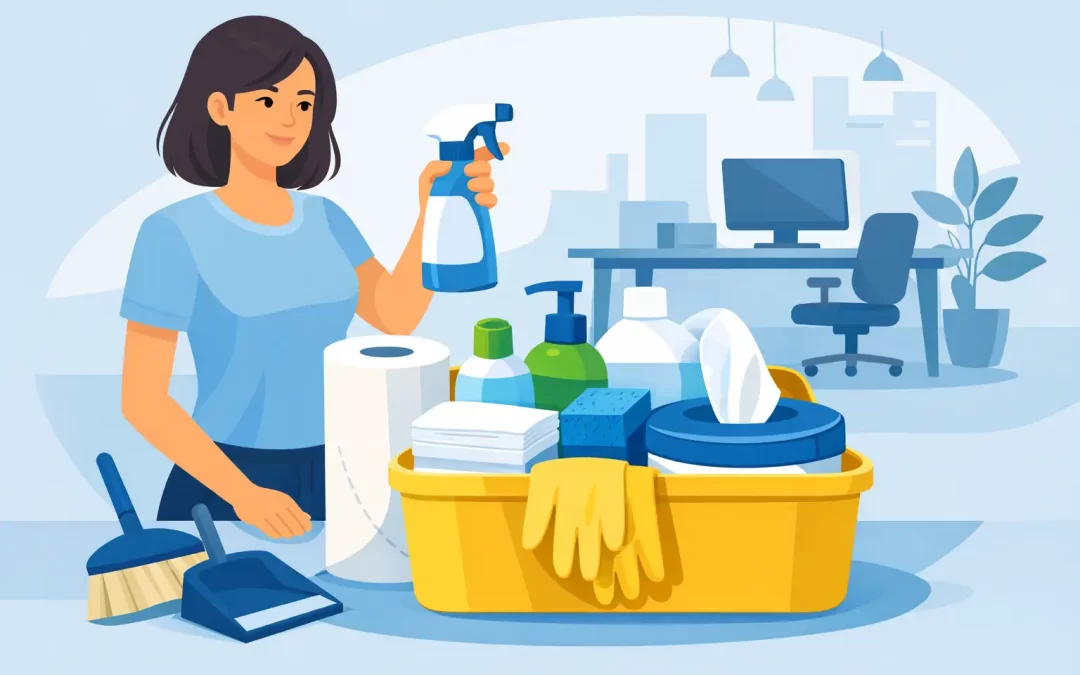
Running out of hand soap at 10 a.m. or finding empty paper towel dispensers before a client visit is not a small issue. It tells staff and visitors that hygiene standards are slipping. Cleaning consumables for offices are the everyday items that keep washrooms usable, desks presentable, kitchens sanitary, and cleaning teams efficient. When they are chosen well, the building feels cared for. When they are not, problems show up fast.
What counts as cleaning consumables for offices?
In practical terms, cleaning consumables for offices include the products that get used up through normal daily cleaning and hygiene routines. That usually means hand soap, toilet tissue, paper towels, trash liners, disinfectants, surface cleaners, sanitizers, air freshening products, dishwashing supplies, and specialist items such as floor pads, wipes, or descalers depending on the site.
For many offices, the real challenge is not identifying the products. It is deciding what level of product is right for the building, the headcount, and the expected standard. A small private office with light traffic will not need the same stock profile as a multi-floor corporate site with meeting rooms, kitchens, washrooms, and heavy visitor flow. Buying too little creates service issues. Buying too much ties up budget and storage space.
Why the right consumables matter more than people think
Office hygiene is judged by visible details. Staff may never comment when soap dispensers are full and bins are lined properly, but they notice immediately when supplies are missing or poor quality. The same applies to visitors, contractors, and clients.
There is also an operational side to it. Low-grade paper products can create blockages, weak liners split under weight, and the wrong chemical can damage surfaces or leave residue. Cheap products often look economical at the point of purchase, but they can increase labor time, callouts, complaints, and replacement costs.
That is where experience matters. Facilities managers and procurement teams usually want three things from consumables – dependable stock availability, consistent performance, and clear value for money. The best setup supports the cleaning schedule instead of creating extra work for it.
How to choose cleaning consumables for offices
The smartest buying decisions usually start with the building itself. Think about usage patterns before thinking about brands or pack sizes. An office with high washroom traffic may need controlled-dispense paper products to reduce waste. A client-facing office may place more weight on presentation, fragrance control, and premium washroom supplies. A back-office environment might prioritize durability and cost control first.
Product compatibility is another factor that gets overlooked. Dispensers, janitorial systems, floor finishes, and waste collection setups all affect what should be ordered. A product that looks suitable on paper may be a poor fit if it slows staff down or does not work with existing equipment.
It also helps to separate essentials from nice-to-haves. Essentials are the products that support hygiene, safety, and day-to-day operations. Extras may still be worthwhile, but they should be chosen with a clear reason in mind. For example, antibacterial wipes in shared meeting areas may be sensible during periods of high illness absence, but not every office needs every specialist product all year round.
Start with the core categories
Most offices should review consumables across four core areas: washrooms, kitchens and break areas, general cleaning, and waste management. If one of those areas is understocked, standards drop quickly.
Washrooms usually require the closest attention because supply failures are visible straight away. Toilet tissue, hand soap, paper towels, and sanitary disposal products need reliable restocking. Kitchens need dishwashing liquid, degreasers, food-safe surface cleaning products, cloths or wipes, and waste liners. General cleaning relies on sprays, disinfectants, microfiber materials, floor care products, and sometimes specialist chemicals for glass, stainless steel, or carpet spot treatment. Waste management depends on correctly sized liners and a realistic plan for volume.
Match quality to traffic and expectations
There is no single “best” consumable for every office. It depends on who uses the space and what standard the business wants to maintain. Premium hand towels and soaps may be appropriate in executive offices, medical settings, or customer-facing environments. More economical options may work perfectly well in staff-only spaces with controlled traffic.
The key is consistency. If a business wants a professional presentation, it should avoid a patchwork approach where one area is well supplied and another is clearly neglected. People tend to judge the whole building by the weakest point.
Common mistakes that increase cost
One of the most common mistakes is buying on unit price alone. A cheaper paper towel that staff use three times as fast is not a saving. The same goes for diluted cleaning products that require repeat application or liners that tear during removal.
Another issue is poor stock control. Some sites overorder because no one has a clear record of weekly use. Others underorder and rely on last-minute purchases, which usually cost more and create disruption. Neither approach is efficient.
There is also a training element. Even the right products can be wasted if cleaning teams or office staff use them incorrectly. Overdosing chemicals, using the wrong product on the wrong surface, or storing materials badly can shorten product life and affect results. A well-managed supply plan should make the correct choice easy.
Balancing hygiene, safety, and budget
Most procurement decisions involve compromise somewhere. Premium products may improve user experience but raise monthly spend. Concentrated chemicals may reduce long-term cost but require proper dilution control. Eco-conscious options may support sustainability goals, though performance varies by product category.
This is why a site review is often more useful than a generic shopping list. Offices have different cleaning frequencies, occupancy levels, and compliance needs. A sensible supply plan balances hygiene standards with practical realities. It should protect the building, support the cleaning team, and keep recurring costs predictable.
For regulated environments or shared buildings, documentation and product safety information matter as well. Cleaning consumables should not just be effective. They should also be suitable for the site, stored correctly, and used in line with health and safety requirements.
The value of working with one experienced supplier
For many businesses, the biggest gain is not just lower product cost. It is reduced hassle. When cleaning services and cleaning supply support are handled together, there is less guesswork about what the site actually needs. Stock can be aligned with cleaning schedules, seasonal demand, and problem areas such as washrooms, kitchens, entrance flooring, or high-touch surfaces.
That joined-up approach also helps avoid overbuying. An experienced supplier can spot when an office is using the wrong paper grade, the wrong liner size, or a chemical that is stronger than necessary for the task. Small changes like that can improve efficiency without lowering standards.
Aaroma works with businesses that want that kind of practical support – not just boxes delivered to the door, but supply decisions grounded in real cleaning experience. That matters when offices need dependable standards, budget control, and a partner who understands how products perform in live environments.
When to review your office consumables setup
If complaints are increasing, usage is unpredictable, storage areas are overcrowded, or staff regularly make emergency purchases, the setup probably needs attention. The same applies if cleaning standards feel inconsistent between shifts or across different parts of the building.
A review is also worth doing after office expansion, layout changes, increased headcount, or a shift toward more shared working. Hybrid work has changed demand patterns in many offices. Some buildings now see intense use on certain days and light use on others, which means old ordering habits may no longer fit.
A practical standard beats an impressive spec sheet
The best cleaning consumables for offices are not necessarily the most expensive or the most heavily marketed. They are the products that do the job reliably, fit the building, and support consistent cleaning results day after day. If your supplies help staff work safely, keep washrooms and shared areas presentable, and reduce avoidable waste, they are doing exactly what they should. A well-run office rarely gets praised for having soap, paper, liners, and cleaning chemicals in the right place at the right time, but everyone notices when they are missing.