
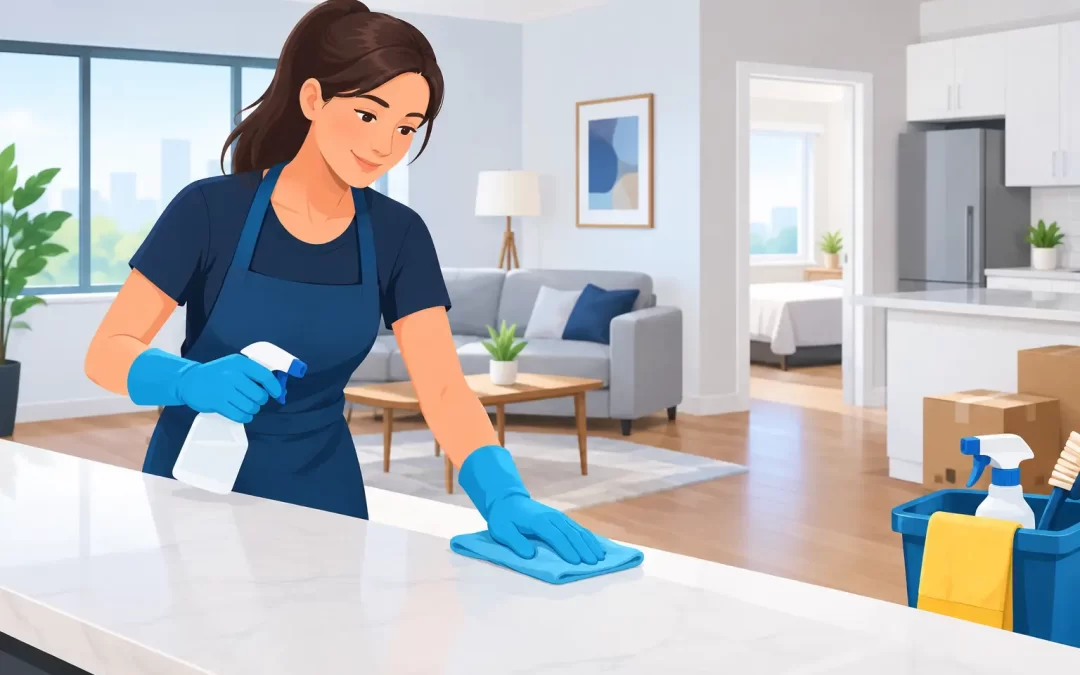
A tenant moves out on Friday, the next resident has keys on Monday, and the property still needs to look clean, safe, and properly cared for. Rental property turnover cleaning is what closes that gap. Done well, it protects the condition of the home, supports faster re-leasing, and gives incoming residents confidence from the moment they walk through the door.
For property managers and owners, a turnover clean is not simply a standard house cleaning completed at a faster pace. It is a controlled reset of the property between occupancies. The work needs to address visible dirt, hidden buildup, odors, touchpoints, floors, appliances, and the areas most likely to generate a complaint after move-in.
Why Rental Property Turnover Cleaning Needs a System
Every vacant unit tells a different story. One may need routine dust removal and a detailed kitchen clean. Another may have pet hair embedded in carpet, hard water deposits in the bathroom, grease on range hoods, or marks around switches and door frames. Treating every turnover as the same service can lead to missed issues, inconsistent results, and avoidable callbacks.
A clear scope helps distinguish cleaning from repairs. Cleaning teams can remove grime from a shower screen, restore a neglected floor finish where appropriate, and remove marks from washable surfaces. They cannot correct damaged grout, a leaking appliance, broken blinds, or worn carpet that has reached the end of its useful life. Identifying those items early allows the property manager to schedule maintenance before the new resident arrives.
A structured approach also makes cost control easier. A property owner does not need to pay for unnecessary specialist work on every unit, but a basic clean is not enough when a unit has strong odors, heavy kitchen grease, or stained carpeting. The right service level depends on the actual condition of the property, not an assumption made from the square footage alone.
Start With a Condition Check
The best turnover work begins before cleaning supplies are unloaded. Walk the unit in good light and compare the condition against the move-out inspection where available. Photograph significant stains, damage, missing items, and areas that may require approval before additional work is carried out.
Pay close attention to the places residents notice first: entry doors, floors, windows, kitchens, bathrooms, closets, and light fixtures. Then inspect the less obvious areas, including inside cabinets, behind doors, baseboards, vents, refrigerator seals, laundry areas, and the tops of ceiling fans. These details are often overlooked during a rushed turnover, yet they strongly affect how clean the property feels.
The condition check should also identify health and safety concerns. Mold-like growth, pest activity, sharp objects, biohazard waste, damaged electrical fittings, or unknown chemicals require a different response from ordinary cleaning. Crews should not improvise around a safety risk. The area should be isolated and escalated to the appropriate maintenance or specialist service provider.
The Areas That Matter Most Between Tenancies
A reliable turnover follows a logical sequence, generally working from high areas to low areas and from cleaner rooms toward heavier cleaning zones. This reduces cross-contamination and prevents freshly cleaned floors from being tracked over by later work.
Kitchens require detailed degreasing
The kitchen is usually the biggest test of turnover quality. Clean inside and outside all cabinets and drawers, then remove crumbs and residue from hinges, handles, and edges. Appliances should be cleaned inside and out, including the oven, microwave, refrigerator, dishwasher filter, and stovetop. Grease buildup around backsplashes, extractor areas, and cabinet fronts needs the correct degreaser and adequate contact time, not excessive scrubbing that may damage finishes.
Check the refrigerator carefully. Food debris, shelf spills, and odors can remain even when the interior looks acceptable at first glance. Once cleaned, leave the appliance dry and ready for use according to property procedures.
Bathrooms need more than a quick wipe-down
Bathrooms need a sanitary clean as well as a visibly polished finish. Remove soap scum and mineral buildup from showers, tubs, faucets, glass, tile, and drains. Clean and disinfect toilets, sinks, touchpoints, and vanity surfaces. Mirrors should be streak-free, while exhaust vents and light fittings should be free from dust.
There is a practical limit to what cleaning can restore. Etched glass, permanently stained grout, cracked caulk, and corroded fixtures may remain unsightly after thorough cleaning. Documenting this distinction prevents a maintenance issue from being mistaken for poor cleaning.
Floors influence the entire first impression
Clean floors make a vacant property look brighter and better maintained. Carpet should be vacuumed thoroughly, including edges and closets, before spot treatment or extraction is considered. Carpet cleaning can improve appearance and remove odors, but it will not repair burns, severe wear, or permanent discoloration.
Hard floors should be cleaned with products suited to their material and finish. Overwetting wood or laminate can cause damage, while overly aggressive chemicals may dull vinyl, stone, or finished surfaces. Where flooring requires stripping, sealing, polishing, or stain treatment, specialist floor care may offer better value than repeated basic cleaning.
Do Not Forget Touchpoints, Air, and Exterior Presentation
Move-in complaints often come from small missed details rather than one dramatic failure. Clean door handles, switches, remote controls, thermostat covers, cabinet pulls, railings, and blinds. Remove dust from vents, ledges, ceiling fan blades, and window tracks. Empty all trash, check closets, and make sure no cleaning cloths, supplies, or previous tenant belongings have been left behind.
Odors deserve careful investigation. Covering a smell with fragrance is rarely effective and can be irritating for the next resident. Identify the source first. It may be spoiled food, drains, carpet contamination, smoke residue, pet areas, or damp materials. Source removal, ventilation, targeted cleaning, and appropriate odor treatment deliver a more dependable result.
The exterior should match the standard inside where it falls within the property’s responsibility. Sweep entryways, remove cobwebs, wipe exterior light fixtures if accessible, and clear litter from the immediate approach. For larger needs, such as power washing, graffiti removal, or exterior window cleaning, scheduling specialist work alongside the turnover can prevent the property from looking unfinished on move-in day.
A Practical Turnover Cleaning Checklist
A written checklist keeps standards consistent across properties and crews. It should be specific enough to verify completion without becoming a substitute for professional judgment. For most residential turnovers, the checklist should cover these core areas:
- Dusting of accessible high and low surfaces, fixtures, vents, ledges, doors, trim, and baseboards.
- Full kitchen cleaning, including cabinets, counters, sinks, appliances, grease-prone surfaces, and floors.
- Bathroom cleaning and disinfection, including showers, tubs, toilets, sinks, mirrors, fixtures, and floors.
- Vacuuming, mopping, or specialist treatment of all floors, including closets and edges.
- Cleaning of touchpoints, blinds, windowsills, interior glass, and accessible window tracks.
- Final trash removal, odor check, visual inspection, and reporting of maintenance concerns.
A final inspection should be separate from the cleaning process. Walking through with fresh eyes makes it easier to spot streaks, missed dust, hair in a bathroom, debris in a cabinet, or a floor that needs a second pass. For managed portfolios, documented completion and before-and-after notes can also support clear communication between the cleaning provider, maintenance team, and property manager.
Choosing the Right Cleaning Partner
Reliability matters as much as cleaning skill during a turnover. A provider needs to arrive when scheduled, follow site access procedures, work safely around vacant properties, and report issues promptly. Insurance coverage, trained staff, appropriate equipment, and clear quality checks are practical protections for property owners and managers.
It is also useful to work with a company that can handle more than the routine clean when needed. Carpet care, blind cleaning, window cleaning, floor maintenance, disinfecting, and exterior services can all become part of a turnover plan. This reduces the hassle of coordinating several contractors when a unit needs extra attention before it can be released.
Aaroma brings more than 25 years of professional cleaning experience to property and facilities work, with the capability to support routine cleaning and specialist requirements under one accountable service approach. The goal is straightforward: a clean, presentable property that is ready for the next resident without unnecessary delays.
The strongest turnover process is the one that catches small problems before they become move-in problems. When cleaning, inspection, and maintenance reporting work together, each vacant unit becomes easier to market, easier to hand over, and easier for the next resident to call home.