
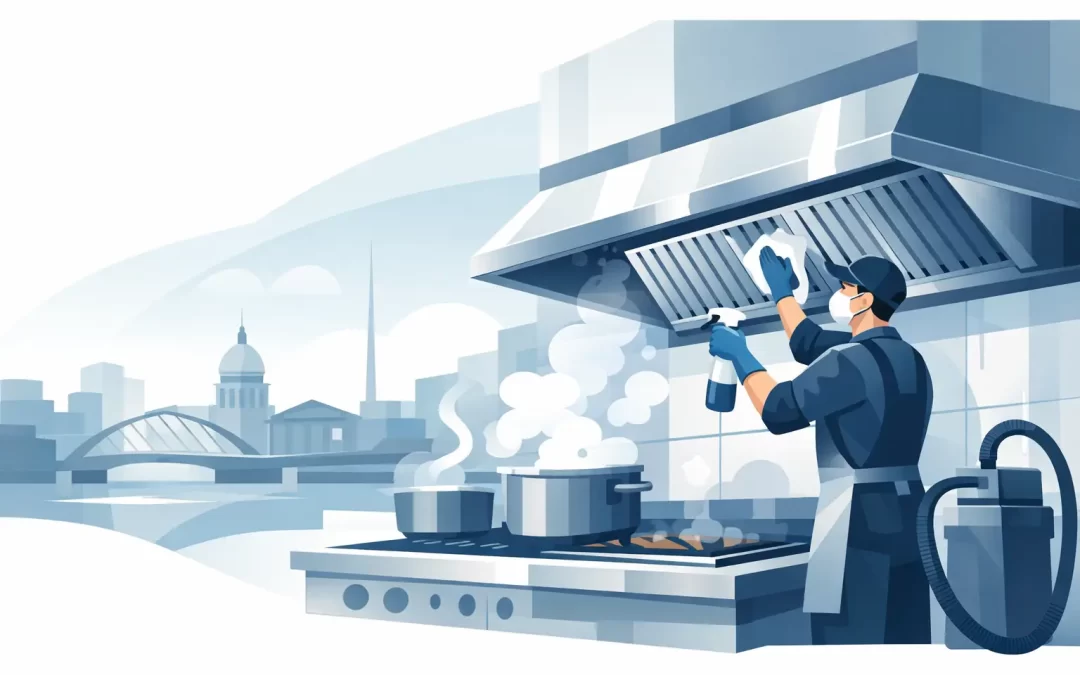
A busy kitchen tells on itself fast. When grease starts building up above the cook line, staff notice it in the air, managers see it on surfaces, and inspectors will not miss it. That is why kitchen canopy cleaning Dublin is not a background task to leave until the system is visibly dirty. It is part of running a safe, efficient, and professional food operation.
For restaurants, hotels, cafes, schools, healthcare kitchens, and takeaway businesses, the canopy system does more than catch smoke. It helps control grease, heat, and odors while supporting safer working conditions. When that system is not cleaned properly, the risks go beyond appearance. Fire hazard, poor extraction, hygiene concerns, and avoidable wear on equipment all become more likely.
Why kitchen canopy cleaning in Dublin is a maintenance priority
A kitchen canopy sits directly in the path of grease-laden vapor. Over time, that grease settles on filters, internal surfaces, ductwork, and associated extraction components. Daily wipe-downs by staff may keep visible areas presentable, but they do not replace specialist cleaning of the full system.
The practical issue is simple. Grease is combustible. The more it accumulates, the greater the fire risk. Even before risk reaches that level, build-up can reduce airflow, put strain on the fan system, and leave the kitchen feeling hotter and harder to work in. Staff comfort, energy efficiency, and day-to-day cleanliness are all affected.
There is also the compliance side. Many commercial kitchens operate under strict hygiene and safety expectations from insurers, landlords, auditors, and environmental health officers. A canopy system that has been neglected can become a weak point during inspection or claims review. Clean records and a professional maintenance schedule help show that the business is taking reasonable steps to manage risk.
What professional kitchen canopy cleaning Dublin should cover
Not every cleaning visit is the same, because not every kitchen produces the same grease load. A small coffee shop with light food service will not generate the same residue as a high-volume restaurant running fryers all day. That is why a proper service should match the site, the equipment, and the cooking style.
At a minimum, professional kitchen canopy cleaning should address the canopy, accessible duct sections, filters, and extraction components where grease collects. The goal is not cosmetic improvement alone. The aim is to remove build-up that affects safety and performance.
A reliable contractor will usually begin by assessing the system condition and access points. From there, the work should focus on the areas that matter most to system hygiene and fire prevention. If one part of the system is cleaned while another is ignored, the result is incomplete. A canopy that looks better from the outside but still carries grease internally is not a strong result.
This is where experience matters. Kitchens vary widely, and so do the practical constraints around timing, access, and service disruption. Cleaning often needs to happen out of hours or around kitchen downtime. A contractor used to commercial environments will plan around operations rather than create problems for them.
Signs your canopy system needs attention sooner
Some sites work to a fixed cleaning schedule, while others only react when the signs become obvious. The second approach usually costs more in the long run. Grease build-up does not improve with time, and delayed attention can mean heavier cleaning, more disruption, and greater risk.
Common warning signs include stronger cooking odors, visible grease around canopy edges, sticky filters, reduced extraction performance, excess heat in the kitchen, and residue appearing on nearby walls or ceilings. In some cases, staff may notice that the kitchen feels smoky even when the system is running. That often points to reduced efficiency somewhere in the extraction path.
It also depends on kitchen volume. A site doing long trading hours, frequent frying, or high-temperature cooking may need more frequent service than management expects. A lower-volume operation may stretch intervals further, but only if the system condition supports that decision. The right answer is rarely one-size-fits-all.
The operational benefits of regular cleaning
Fire prevention is the main reason many businesses prioritize canopy cleaning, and rightly so. But there are other business benefits that matter just as much over time.
A cleaner extraction system can support better airflow, which helps remove heat and cooking vapors more effectively. That can make the kitchen more comfortable for staff and reduce the greasy film that tends to spread across surrounding surfaces. Better extraction may also reduce the frequency of some general cleaning issues in the kitchen environment.
Equipment performance is another factor. When systems are under strain from grease accumulation, fans and related components may work harder than necessary. That does not always lead to immediate failure, but it can contribute to avoidable wear. Preventive maintenance is usually better value than emergency repair or replacement.
There is also the customer-facing side of standards. Even when diners never see the canopy itself, they see the wider results of maintenance. A well-run kitchen tends to feel cleaner, smell fresher, and operate with fewer visible issues. For hospitality businesses, that matters.
Choosing a contractor for kitchen canopy cleaning Dublin
If you are comparing providers, price matters, but it should not be the only factor. Canopy and duct cleaning is specialist work. The contractor should understand commercial kitchen risk, safe working methods, and the importance of documented service standards.
Look for a company with established experience, appropriate insurance, and a clear understanding of compliance-led environments. It helps when the provider can work around your service hours and communicate clearly about what is included. Vague promises are not enough. You want a contractor who can explain the scope of work, identify limitations if access is restricted, and give practical advice on future scheduling.
For many sites, it is also useful to work with a company that supports wider cleaning and hygiene needs. That can reduce admin time and improve consistency across the property. Aaroma, for example, works with Dublin businesses that want specialist cleaning backed by a broader facilities support approach, which can be useful for busy operators managing multiple contractors.
How often should canopy cleaning be scheduled?
This depends on cooking volume, menu type, hours of operation, and the design of the extraction system. A high-output commercial kitchen may need much more frequent attention than a site with lighter use. That is why fixed generic advice can be misleading.
The better approach is to base frequency on risk and actual system condition. A contractor with kitchen extraction experience should be able to recommend a realistic schedule after inspecting the site. If your business has changed its menu, increased output, or extended hours, the cleaning frequency may need to change as well.
Waiting for a visible problem is rarely the best trigger. By the time grease is obvious, build-up has usually progressed well beyond surface level. Planned service gives better control over cost, less disruption, and stronger protection from compliance issues.
Why documentation and standards matter
In commercial settings, cleaning is not just about doing the work. It is also about being able to show that it has been done properly. Service records can support internal maintenance logs, insurance requirements, and audit readiness. For facilities managers and procurement teams, that paper trail has real value.
A dependable contractor should treat reporting as part of the service, not an afterthought. That matters especially in multi-site operations, managed properties, and regulated food environments where maintenance decisions need to be justified and recorded.
Professional standards also show up in the details – safe access planning, clear communication, realistic scheduling, and work completed with minimal disruption. These are the things that separate a dependable specialist from a company that is simply offering another line on a service list.
If your kitchen canopy has not been professionally assessed in some time, it is worth treating it as a priority rather than a future job. Keeping extraction systems clean is one of those maintenance decisions that supports safety, protects operations, and makes the rest of the kitchen easier to manage.