
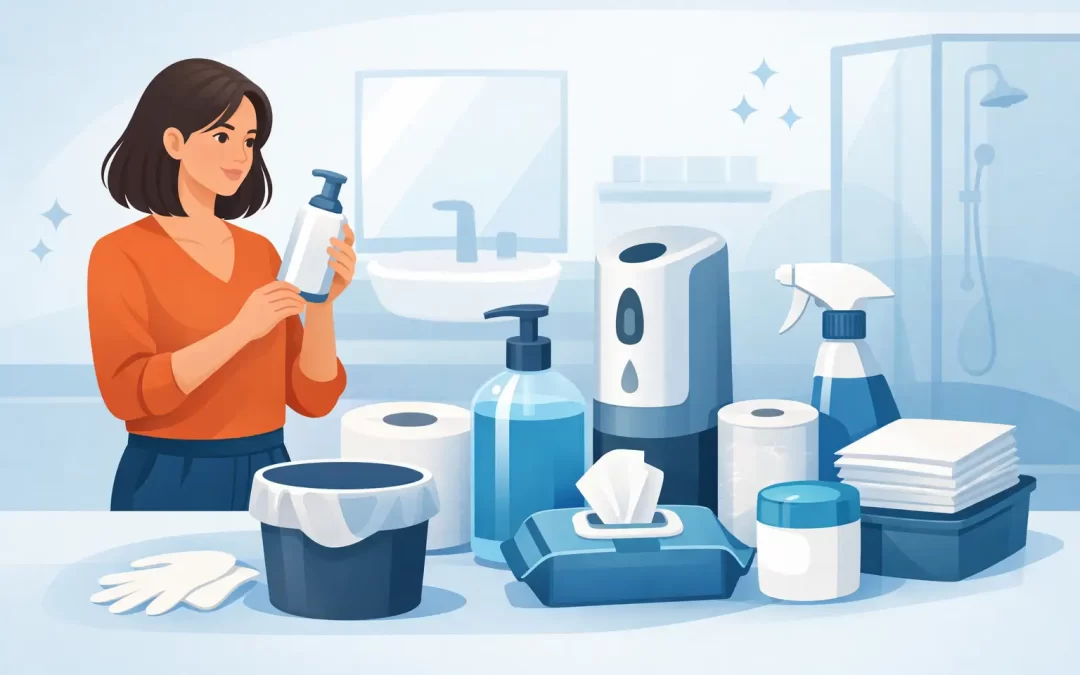
A washroom is one of the quickest ways people judge a building. If the soap dispenser is empty, the paper towels are poor quality, or the trash is overflowing, confidence drops fast. Choosing the best washroom hygiene products is not just about keeping a restroom stocked. It is about protecting health standards, reducing complaints, and making day-to-day cleaning easier to manage.
For offices, retail units, shared residential buildings, schools, clinics, and hospitality spaces, the right products do more than cover the basics. They help control waste, improve user experience, and support a cleaner, safer environment. The strongest setups usually combine reliable consumables with practical dispensers and cleaning products that suit the level of traffic in the space.
What makes the best washroom hygiene products?
The best washroom hygiene products are not always the cheapest on the shelf, and they are not always the most premium either. In most buildings, the right choice comes down to consistency, hygiene performance, and value over time.
A good product should be easy for staff to refill, dependable during busy periods, and suitable for the type of users in the building. A high-traffic office washroom needs a different approach than a guest restroom in a small business. In one case, durability and refill efficiency matter most. In the other, presentation may carry more weight.
There is also a compliance and safety side to consider. Products used in commercial washrooms should support hygiene protocols without creating unnecessary handling risks for cleaning teams. Touch-free options, sealed refill systems, and easy-clean surfaces often make a real difference in busy environments.
1. Quality hand soap
Hand soap is the starting point. If it is harsh on the skin, people use less of it. If it is poor quality, users notice immediately. A good commercial hand soap should clean effectively, rinse well, and be suitable for frequent daily use.
Foam soap is often a strong option for offices and public washrooms because it controls dosage well and can reduce product waste. Liquid soap may still suit lower-traffic spaces or settings where users expect a more traditional product. The main point is consistency. Choose a soap that performs well, is easy to refill, and does not leave sinks messy after every use.
2. Hand sanitizer for added protection
Hand sanitizer is not a replacement for handwashing, but it remains one of the best washroom hygiene products for supporting overall hygiene standards. It works especially well when placed near exits, shared access points, or outside the washroom itself.
For workplaces and public-facing buildings, sanitizer helps reinforce good habits and gives visitors confidence that hygiene has been considered properly. The product should contain an appropriate alcohol level, dry quickly, and avoid leaving a sticky residue. Placement matters almost as much as the product itself. If people do not see it or cannot reach it easily, it will not be used consistently.
3. Toilet tissue that matches traffic levels
Toilet tissue seems simple until the wrong product causes blockages, overuse, or constant refill issues. Commercial buyers usually need to balance comfort, cost, and plumbing suitability.
In high-traffic washrooms, jumbo rolls or controlled-use systems often make more sense than standard household-style rolls. They reduce refill frequency and help avoid empty dispensers during peak hours. In smaller offices or premium settings, a softer product may be worth the extra cost because it improves the user experience. The best choice depends on volume, plumbing, and how often the space is serviced.
4. Paper towels or efficient hand drying systems
Dry hands properly, and you reduce the spread of bacteria to doors, handles, and shared surfaces. That is why hand drying deserves proper attention.
Paper towels remain a practical choice in many commercial settings because they are quick, familiar, and effective. They also help users open doors without direct hand contact. The downside is waste volume and the need for regular replenishment. High-speed hand dryers can reduce paper use, but they are not ideal in every environment. Noise, maintenance, and user preference all come into play.
For many facilities, folded paper towel systems offer the best balance of hygiene and control. They dispense one sheet at a time, reduce overuse, and keep the area tidier than loose-stack alternatives.
5. Reliable dispensers
Even the best consumables underperform if the dispenser is poor. Dispensers should be sturdy, easy to refill, and designed to minimize waste and tampering.
Touch-free dispensers are a strong option in busy or hygiene-sensitive buildings because they reduce contact points and often improve product control. Manual dispensers can still work very well if they are durable and simple to maintain. The real issue is reliability. If a dispenser jams, leaks, or breaks regularly, the total cost rises quickly through waste, complaints, and added labor.
A standardized dispenser system across multiple washrooms also makes procurement easier. It reduces the number of refill types your team needs to manage and helps keep stock control straightforward.
6. Surface disinfectants for high-touch points
Washroom hygiene is not only about what users see on shelves or walls. It is also about the cleaning products used behind the scenes. A good surface disinfectant is essential for toilets, flush handles, faucets, counters, door handles, and partition locks.
The best option depends on the environment. Some sites need fast-contact disinfectants for quick turnaround during the day. Others may prioritize broader cleaning performance for deeper scheduled cleans. It is worth checking whether a product is suitable for multiple surfaces, because this can simplify training and reduce the number of chemicals held on site.
That said, one product does not fit every task. Heavy soil, hard water buildup, and daily touchpoint sanitizing may require different solutions. Practicality matters more than trying to force one chemical to do everything.
7. Toilet bowl and urinal cleaners
These products do a specific job and do it well when chosen correctly. Washrooms that smell clean usually are clean, but odor can also point to the need for better bowl, urinal, and drain maintenance.
A proper toilet and urinal cleaner helps remove scale, stains, and bacteria while keeping fixtures presentable. In high-use washrooms, products that tackle mineral deposits and urine scale can save significant labor over time. If buildup is left too long, cleaning becomes harder, slower, and more expensive.
Fragrance can help, but it should never be the only answer. A strong scent does not replace effective cleaning.
8. Feminine hygiene disposal units
In many commercial washrooms, feminine hygiene disposal is not optional. It is a basic part of providing a safe, respectful, and properly maintained restroom environment.
The right units should be discreet, easy to service, and designed to control odor. Where maintenance standards are a priority, the service routine matters just as much as the unit itself. An unattended or poorly managed disposal bin creates immediate hygiene and presentation problems. This is one area where dependable supply and servicing arrangements can make a noticeable difference.
9. Waste bins with the right capacity
Overflowing waste bins make an otherwise clean washroom look neglected. The best washroom hygiene products include waste bins that match the size, layout, and traffic of the space.
Small bins may suit single-user restrooms, but shared facilities usually need larger-capacity options or more frequent servicing. Covered bins can improve appearance and odor control, while pedal or touch-free models help reduce contact. Liners should also fit properly. Poorly fitted bags slow down cleaning staff and create a less professional finish.
10. Air care products that support cleanliness
Air fresheners have a place in washroom hygiene, but they work best as support products rather than the main solution. If the washroom is not being cleaned correctly, no fragrance system will fix that.
Used properly, air care products improve first impressions and help maintain a fresher environment between cleans. Metered dispensers can provide steady coverage in larger restrooms, while passive systems may suit smaller spaces. The right choice depends on ventilation, occupancy, and the type of odors being managed.
How to choose the best washroom hygiene products for your facility
Start with traffic levels. A low-use executive restroom and a busy staff washroom should not be stocked the same way. Then look at service frequency. If your team only checks a washroom once or twice a day, larger-capacity dispensers and controlled-use consumables are usually the better investment.
It is also worth considering how many product lines your staff has to manage. Fewer, better-matched products often lead to better standards because refilling, storage, and training stay simple. For procurement teams, consistency is often where the savings appear. It reduces emergency ordering, cuts waste, and supports a more predictable cleaning routine.
For businesses that want both reliable supply and practical guidance, working with an experienced provider like Aaroma can make the process easier. When product selection is backed by hands-on cleaning knowledge, you are more likely to get products that perform well in real washrooms, not just on a specification sheet.
The best washroom setup is rarely the most complicated one. It is the one that stays clean, stays stocked, and works every day without creating extra problems for staff or visitors. Get those basics right, and the washroom starts supporting your standards instead of undermining them.